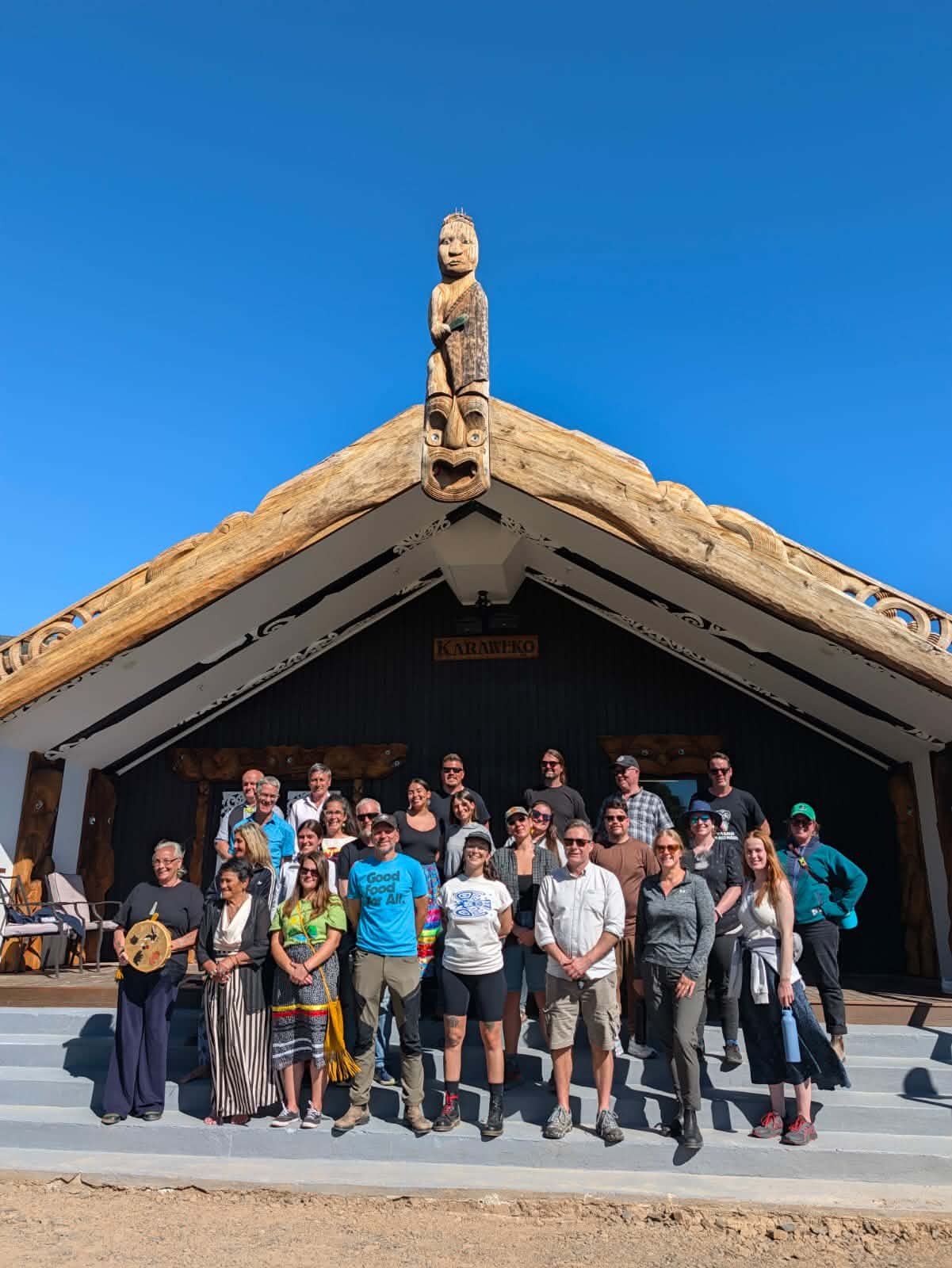
From 19 to 22 October 2026, representatives of the Living Relations project, including Indigenous community members and ally scholars from across Turtle Island (Canada) and Aotearoa, gathered at Te Pātaka o Rākaihautū to share mātauranga and kai knowledge, strengthen te ao relationships, and explore Indigenous approaches to food sovereignty. The kaupapa created opportunities to learn about mahinga kai, whakawhanaungatanga, and to exchange ideas grounded in our shared responsibilities to whenua, wai, and future generations.
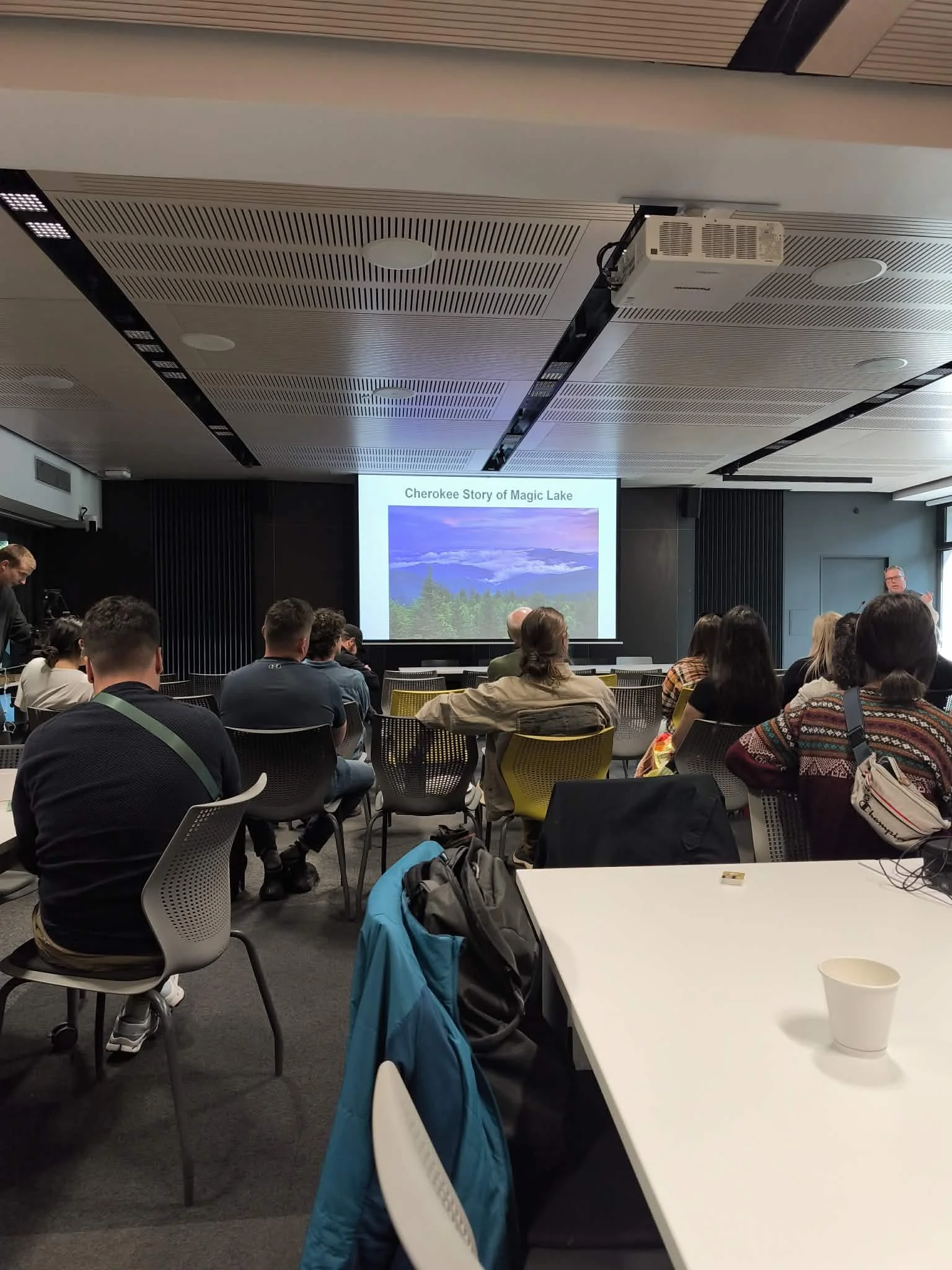
The week began at Te Whare Wānanga o Waitaha | University of Canterbury, with presentations and panel discussions exploring a range of kaupapa, including Mahinga Kai as the ninth tall tree of the Ngāi Tahu Settlement and approaches to governance and treaty relationships that support food sovereignty and sustainability. From there, participants travelled to Koukourārata, where Te Rūnanga o Koukourārata generously hosted the group at Tūtehuarewa Marae.
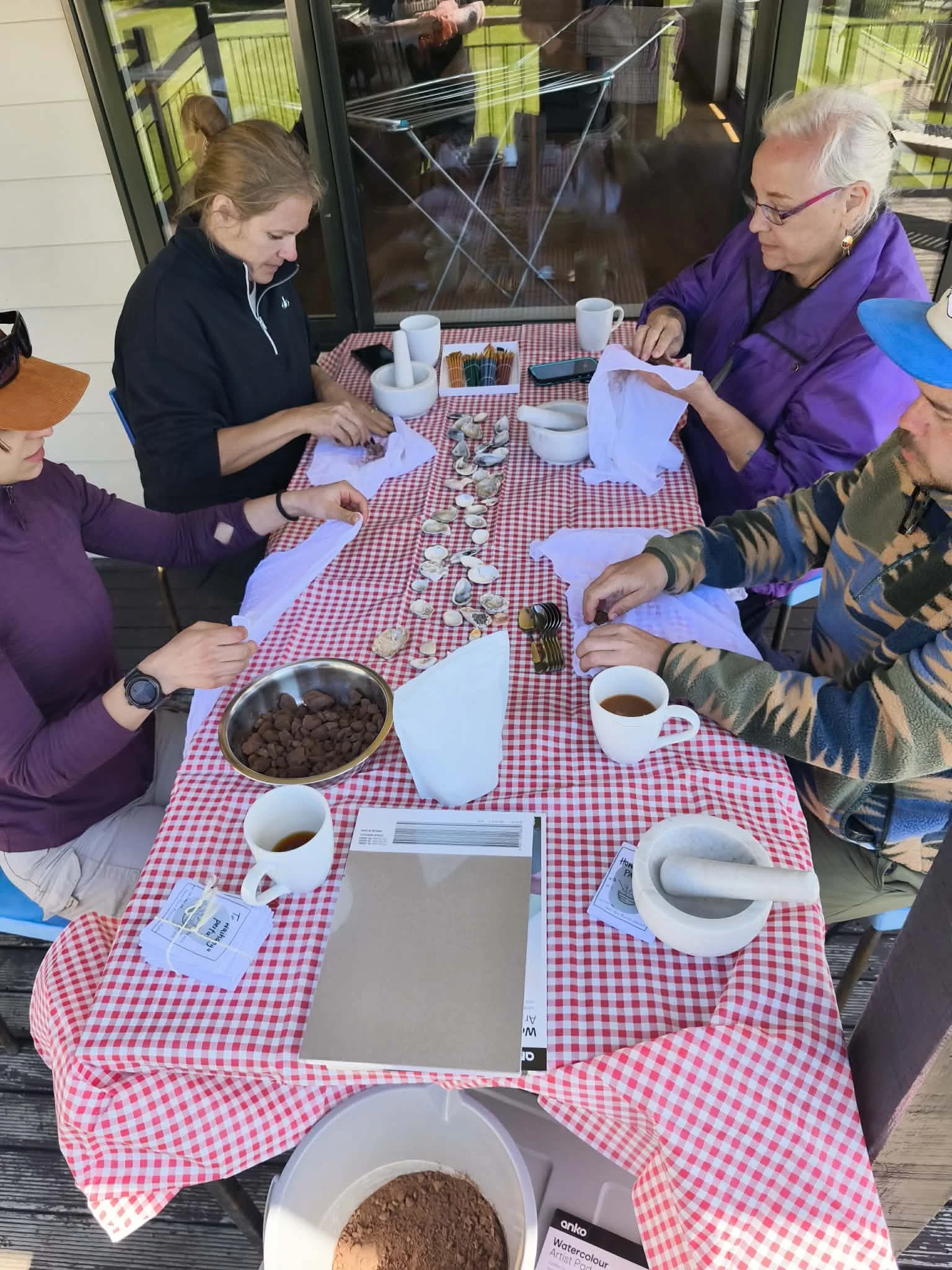
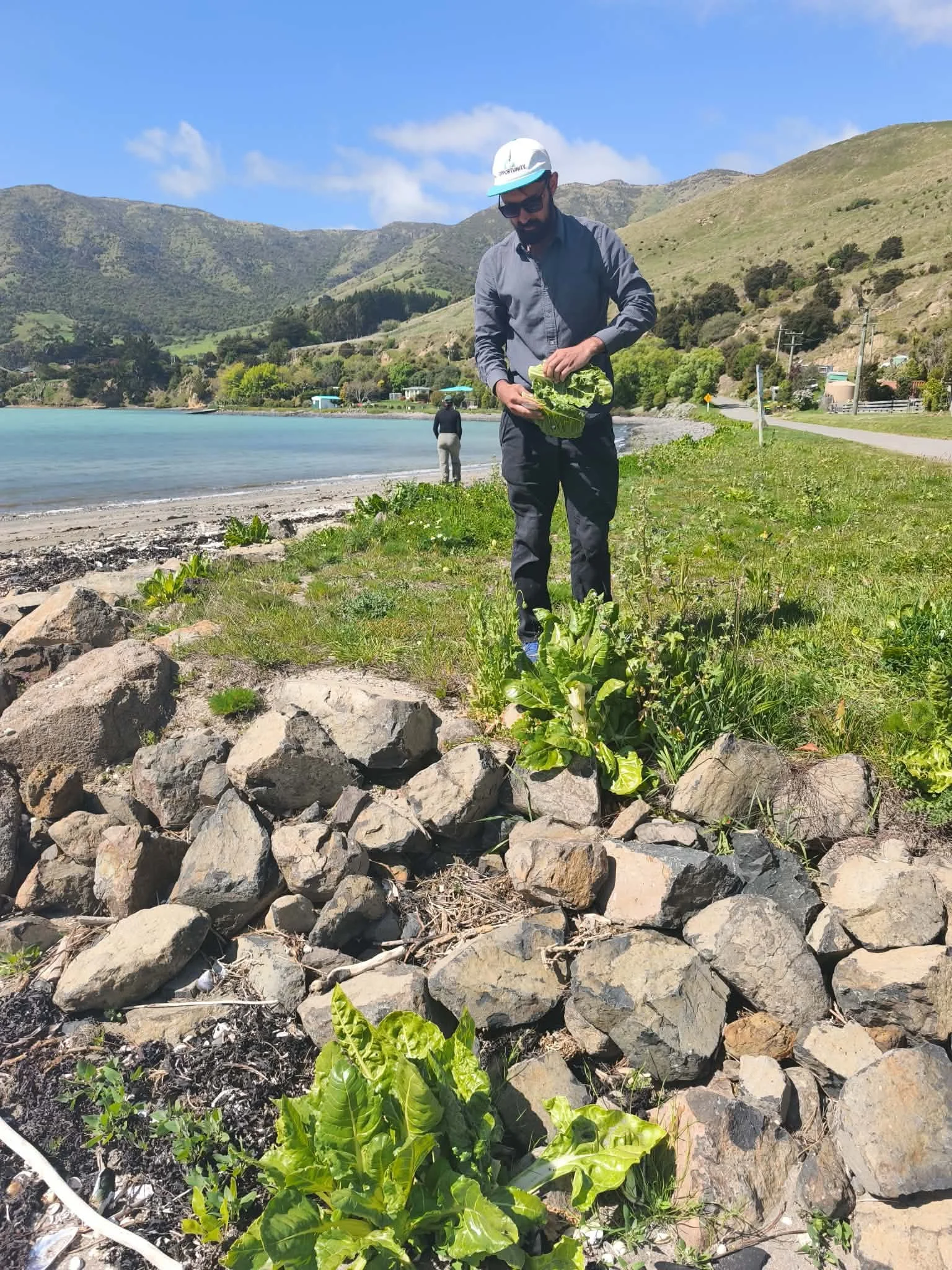
Throughout the noho, participants were guided through the landscapes and stories of Te Pātaka o Rākaihautū. In the Southern Bays, Ana Grey shared insights into local replanting initiatives and environmental restoration projects. Visits to Te Mata Hapuku provided opportunities to learn about historic tuna drains and the legacy of George Skipper. Participants also experienced a mini toi exhibition/showcase from Wairewa artists and took part in a whenua pigment workshop facilitated by Ereni Pūtere, while tauira from the University of Canterbury presented research and environmental projects currently underway throughout the Pātaka.
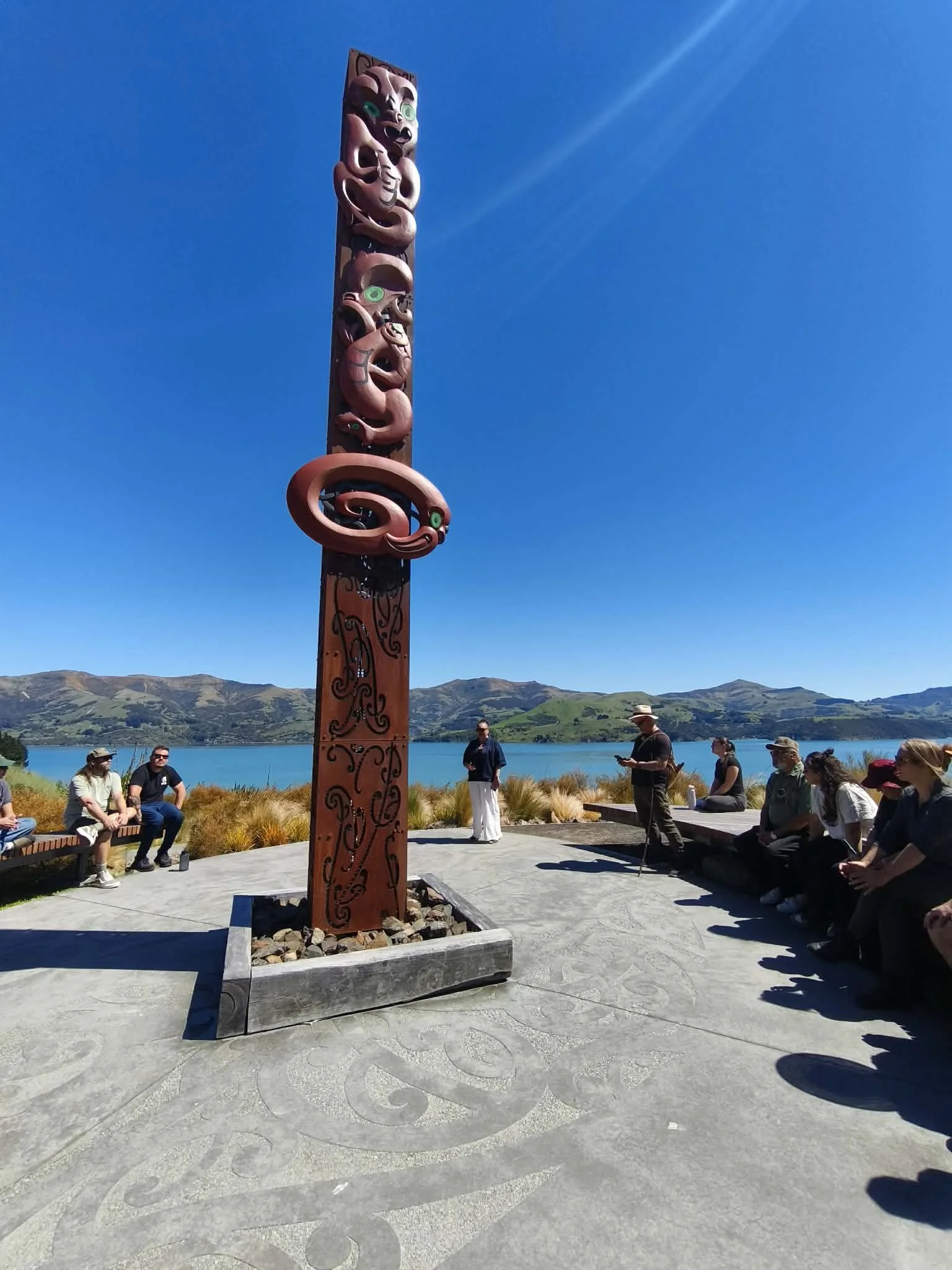
A visit to Ōnawe Pā offered a deeper understanding of the region's history through kōrero shared by Martin Fisher. The group then travelled to Takapūneke Reserve, where Mel Tainui spoke about the significance of this important site. The day concluded at Ōnuku Marae with a shared hākari and presentations from Rik Tainui, who discussed the innovative partnerships that Te Rūnanga o Ōnuku has developed with Premium Seas and Ceres Organics, demonstrating how Indigenous values can underpin sustainable economic development.
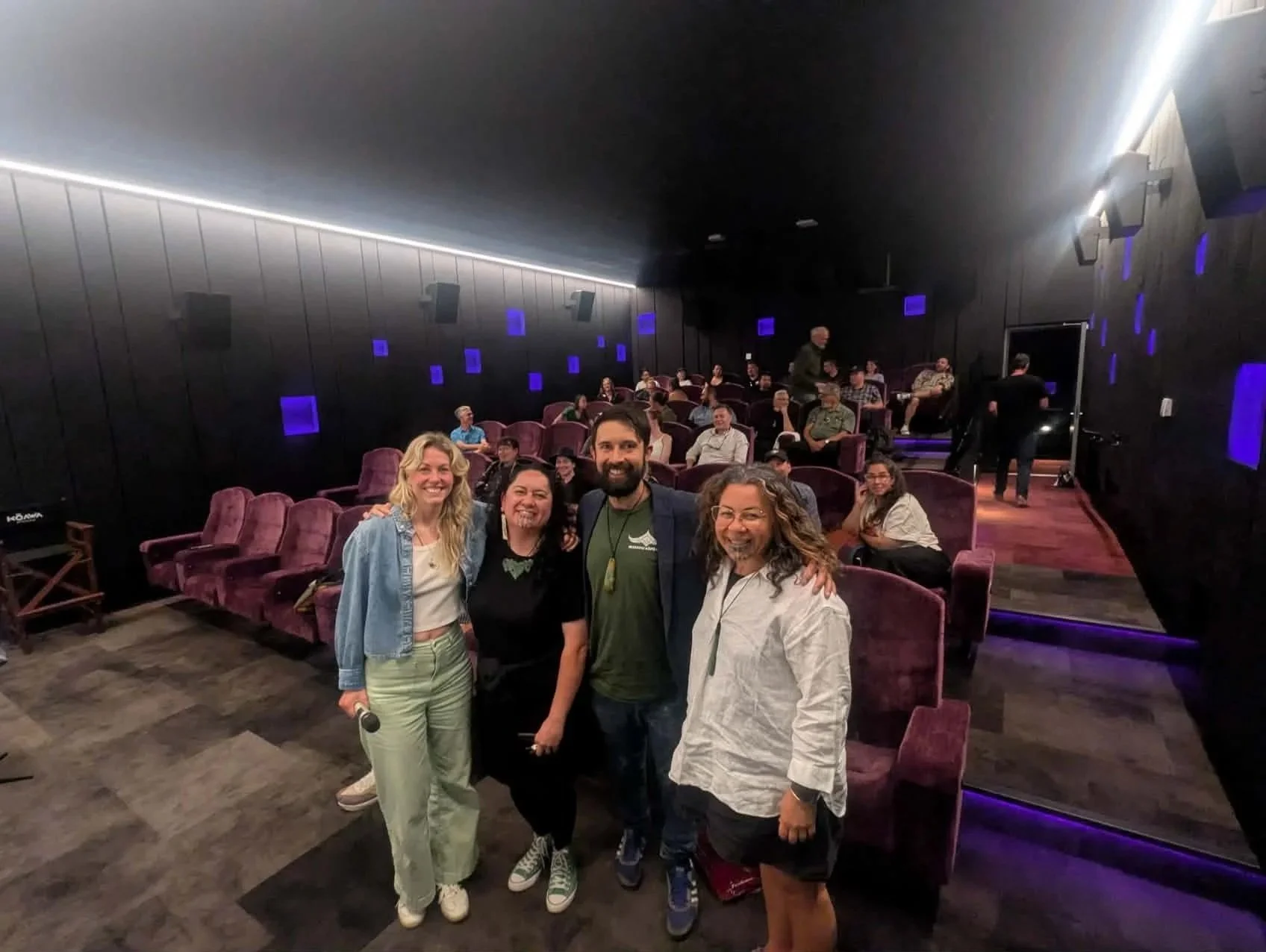
A particular highlight was the screening of the first draft of the Wairewa Mahinga Kai documentary; filming took place in March this year. Seeing the film presented on the big screen to an international audience was a significant milestone and an affirmation of the importance of preserving and sharing our stories. Plans are already underway to host a screening at Whare NOI so that whānau can view and celebrate the project together.
Eden Skipper of Mana Whenua Mana Moana Pou co-led the kaupapa, helping bring together Indigenous voices from Turtle Island and Aotearoa. Tia Barrett and Ereni Pūtere supported the kaupapa by caring for and looking after our manuhiri throughout the noho. Contributions from speakers including Dr Matiu Prebble and Ana Grey highlighted the breadth of environmental and cultural initiatives currently taking place within Te Rūnanga o Wairewa and across the wider Pātaka.
The gathering's significance extended beyond knowledge sharing. By bringing together Indigenous communities from across the globe, the kaupapa built meaningful relationships, strengthened international networks, and created opportunities to discuss shared challenges and aspirations around food sovereignty. Equally important was the chance to live, learn, and engage directly within Te Pātaka o Rākaihautū, experiencing our stories, landscapes, and histories in real time.
We extend our heartfelt thanks to Te Rūnanga o Koukourārata for welcoming us at short notice, opening Tūtehuarewa Marae to our group, and providing such generous manaakitanga throughout our stay. Your hospitality, care, and support were deeply appreciated and contributed immensely to the success of the kaupapa.
Mauri ora.
Written by Tia Barrett.